
Case Presentation
A previously healthy 2-month-old boy from Iran, developed a persistent fever shortly after receiving a routine 5-in-1 vaccination. While initially manageable at home with over-the-counter medications, the fever returned, accompanied by a cough. This prompted a visit to a local hospital. Doctors diagnosed him with pneumonia, and treated him with antibiotics. However, despite the antibiotics, the fever refused to subside, leading to his admission to a specialized children’s hospital for further evaluation.
Upon arrival, the boy exhibited a fever, a rapid heart rate, and an elevated respiratory rate. Doctors conducted a thorough physical examination which revealed no immediate signs of serious illness. However, his blood tests showed signs of inflammation in his body and a low red blood cell count, suggesting an underlying issue.
Management
Despite initial treatment with antibiotics and other medications aimed at addressing the suspected pneumonia, the fever persisted. This led doctors to explore other potential diagnoses. Further investigations, including a lumbar puncture to analyze the fluid surrounding the spinal cord, raised the possibility of meningitis, a serious infection of the brain and spinal cord. However, even with the addition of antibiotics specifically targeting meningitis, the fever remained.
As the days passed and the boy continued to fight the fever, doctors began to suspect an unusual condition called Kawasaki disease. This rare illness primarily affects young children and causes inflammation of blood vessels throughout the body, particularly those in the heart. This inflammation can lead to serious complications, including heart damage.
Targeted Management for Kawasaki Disease
To confirm their suspicions, doctors performed an echocardiogram, a specialized ultrasound of the heart. This test revealed significant dilation of the coronary arteries, the blood vessels that supply blood to the heart muscle. This dilation, often referred to as an aneurysm, is a hallmark sign of Kawasaki disease.
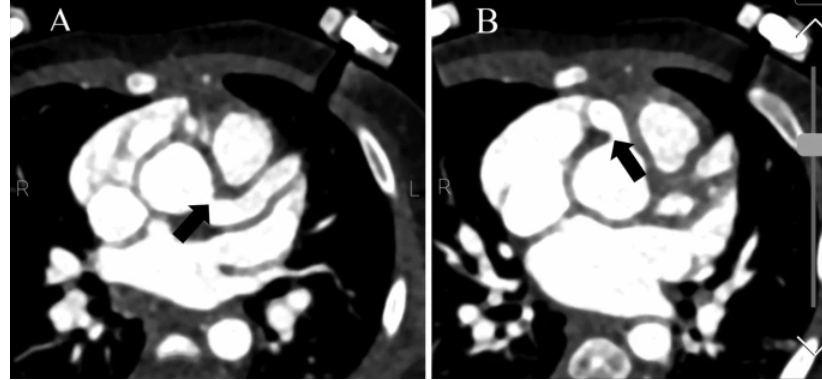
They transferred the boy to the Pediatric Intensive Care Unit (PICU), where he received specialized care. Treatment for Kawasaki disease typically involves high doses of intravenous immunoglobulin (IVIG), a powerful medication that helps suppress the immune system and reduce inflammation. In addition to IVIG, the boy received corticosteroids to further reduce inflammation and aspirin to help prevent blood clots. Further investigations, including a coronary computed tomography angiogram (CTA), a specialized type of X-ray that provides detailed images of the heart and blood vessels, revealed significant aneurysms in several of the coronary arteries. These aneurysms posed a significant risk of heart problems, including heart attacks, in the future.
Doctors introduced infliximab, to help manage the inflammation. Further investigations, including an ultrasound of the abdominal blood vessels, showed no abnormalities. As his condition improved, the boy transitioned from injectable medications to oral medications. He was eventually discharged from the hospital with a combination of blood thinners (warfarin and aspirin) to manage potential complications related to the heart condition.
Kawasaki Disease
Kawasaki disease, a condition that causes inflammation in blood vessels, is typically diagnosed based on a set of specific symptoms, including fever and other characteristic features. However, in infants, diagnosing Kawasaki disease can be challenging as they may not always present with the full set of expected symptoms.
Early diagnosis and treatment are crucial for preventing serious heart complications, such as the development of aneurysms in the coronary arteries. In this case, the delay in diagnosis led to the development of these aneurysms, highlighting the importance of considering Kawasaki disease in infants with persistent fevers, even when typical symptoms are not fully present.
Pathophysiology of Kawasaki Disease
While the exact cause of KD remains a mystery, its higher occurrence among children of East Asian and Pacific Islander descent, even in those who have migrated to other countries, strongly suggests a genetic predisposition. This observation points towards a potential genetic component playing a significant role in the development of this condition.
Although vaccination has been explored as a potential trigger for KD, with some studies suggesting that it might activate the immune system in ways that could contribute to the development of the disease, there is currently no conclusive evidence to directly link vaccination to the onset of KD.
Typically, the hallmark symptoms of Kawasaki disease (KD) appear around five days after the onset of fever. These include prolonged fever lasting for five days or more, bilateral non-purulent conjunctivitis (redness of the eyes), inflammation of the oral mucosa often characterized by dry, cracked lips and a “strawberry tongue” (a swollen, bumpy, red tongue), changes in the extremities such as swelling and redness of the hands and feet, skin rashes, and cervical lymphadenopathy (swollen lymph nodes in the neck), often unilateral and at least 1.5 centimeters in diameter. To diagnose classic KD, a child must exhibit a fever lasting five or more days, accompanied by at least four of these five characteristic signs.
Atypical Kawasaki Disease
“Atypical KD” refers to cases that don’t fully meet these diagnostic criteria. These cases may present with unusual clinical features or occur in children outside the typical age range. While KD most commonly affects children between 6 months and 5 years of age, there have been rare reports of cases in neonates.
Complications
One of the most serious complications of KD is the development of coronary artery aneurysms (CAAs). These aneurysms are abnormal bulges in the coronary arteries, the blood vessels that supply blood to the heart muscle. KD is a significant contributor to acquired heart disease in children in developed countries and may even increase the risk of heart attacks later in adulthood. Several factors, including young age and delayed treatment, have been identified as increasing the risk of CAA development. Early treatment with intravenous immunoglobulin (IVIG) has been shown to significantly reduce the incidence of CAAs in children with KD.