
Scientists at the University of Michigan have created a modified herpes virus protein. It can help improve cancer immunotherapy by strengthening the activity of immune cells. The focus being T cells, which are specialised immune cells responsible for locating and destroying cancer cells. Moreover, tumours weaken these immune cells, making it difficult for the body to maintain a strong defence. Researchers wanted to find a way to help T cells remain active for longer periods inside tumours.
Engineered Viral Proteins
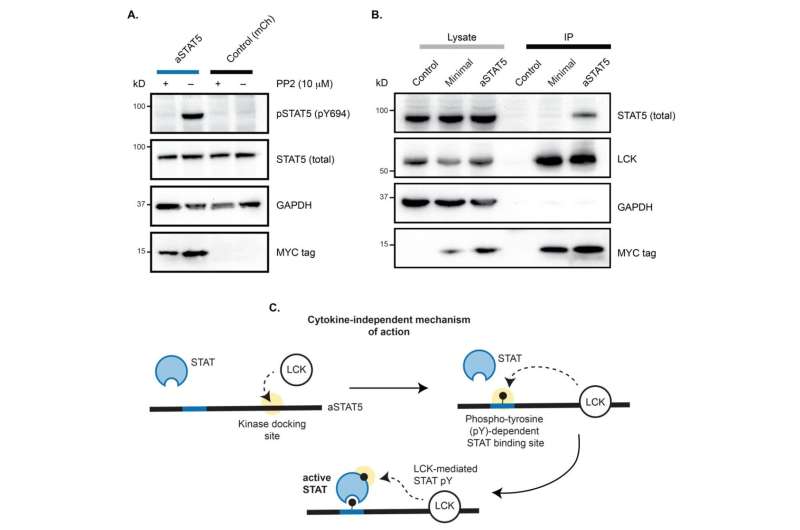
The study examined a virus called herpesvirus saimiri, which naturally infects squirrel monkeys. This virus produces proteins capable of influencing immune cell behavior. Scientists engineered one of these viral proteins to activate a signaling pathway known as STAT5, which is important for T cell growth, survival, and function. By stimulating this pathway, the modified protein helped T cells stay functional and continue attacking cancer cells more effectively.
Researchers discovered that the engineered protein works by interacting with a molecule called LCK, which is naturally present in resting T cells. This interaction activated STAT5 without relying on immune signaling molecules normally required for T cell stimulation. In laboratory experiments involving mouse models of melanoma and lymphoma, the enhanced T cells survived longer within tumors and demonstrated improved anti-cancer activity.
Although the research is still in the early stages and has only been tested in animals, scientists believe the results are promising. They hope the discovery may eventually contribute to more effective immune-based cancer treatments for human patients in the future.