

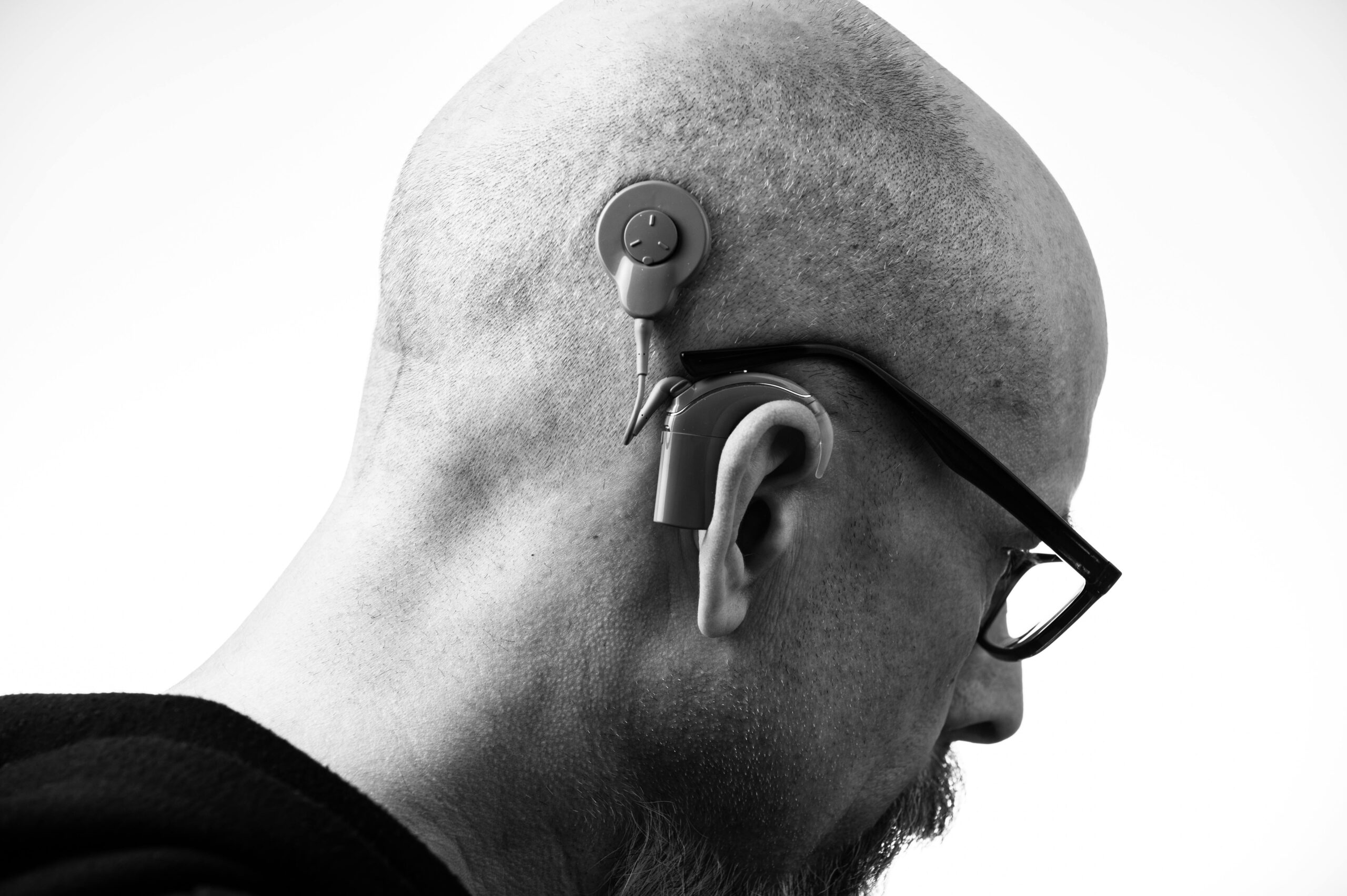
A recent pilot study has found that personalized hearing care may help improve brain health in older adults who are at risk of dementia. Researchers from University College London and University College London Hospitals explored whether customized hearing support could encourage older individuals with hearing loss and mild cognitive impairment to use hearing aids more consistently. The findings suggest that regular hearing aid use may support cognitive health and possibly slow mental decline.
The study included 58 adults over the age of 55 who had untreated hearing loss along with mild memory or thinking difficulties. Participants were recruited from community memory clinics across several NHS Trusts in the United Kingdom. Researchers separated the participants into two groups. One group received regular hearing care, while the second group participated in a personalized hearing care program specifically designed to improve hearing aid use and daily communication.
Researchers explained that hearing loss is one of the leading preventable risk factors associated with dementia. Difficulty hearing may increase mental strain, reduce social interaction, and contribute to cognitive decline over time. By improving hearing and communication, older adults may remain more socially engaged and mentally active.
Although the study was small, researchers also noticed signs of improved cognitive performance among participants receiving personalized support. They hope future large-scale studies will determine whether regular hearing aid use can directly help protect memory and brain function in aging adults.
Chief Investigator of the study, Professor Sergi Costafreda (UCL Psychiatry), said,
“Our pilot study shows that we can recruit and retain people with mild memory problems in a study like this, and that the intervention was acceptable to patients—with three-quarters of patients in the intervention group using their hearing aids daily. There were indications in our study that people in the intervention group performed better in a cognitive test, but we now need a larger trial where we can properly test this.”
Co-author Professor Anne Schilder (UCL Ear Institute), BRC Hearing Health Theme Director, said,
“Our pilot study shows we could now confidently move on to a large-scale study where we look at the impact of this hearing health intervention on cognitive function. This group may stand to benefit the most from hearing aids, given the potential role of hearing aids in preserving cognition and independent living.”