
Rare complication of syphilitic gumma
The case report highlights a rare but important complication of syphilis that can affect the brain. Although syphilis is often associated with skin lesions and sexually transmitted infections, it can sometimes progress silently and involve the nervous system years after the initial infection. This unusual condition reminds both physicians and the public that untreated infections can have serious long-term consequences.
Syphilis is caused by the bacterium Treponema pallidum. It spreads mainly through sexual contact and develops in stages. In its early phases, syphilis may produce painless sores or skin rashes that can disappear even without treatment. However, the infection does not necessarily go away. If left untreated, the bacteria can remain in the body and eventually damage organs such as the heart, eyes, and brain. When syphilis affects the nervous system, the condition is called neurosyphilis.
One rare form of neurosyphilis is cerebral syphilitic gumma
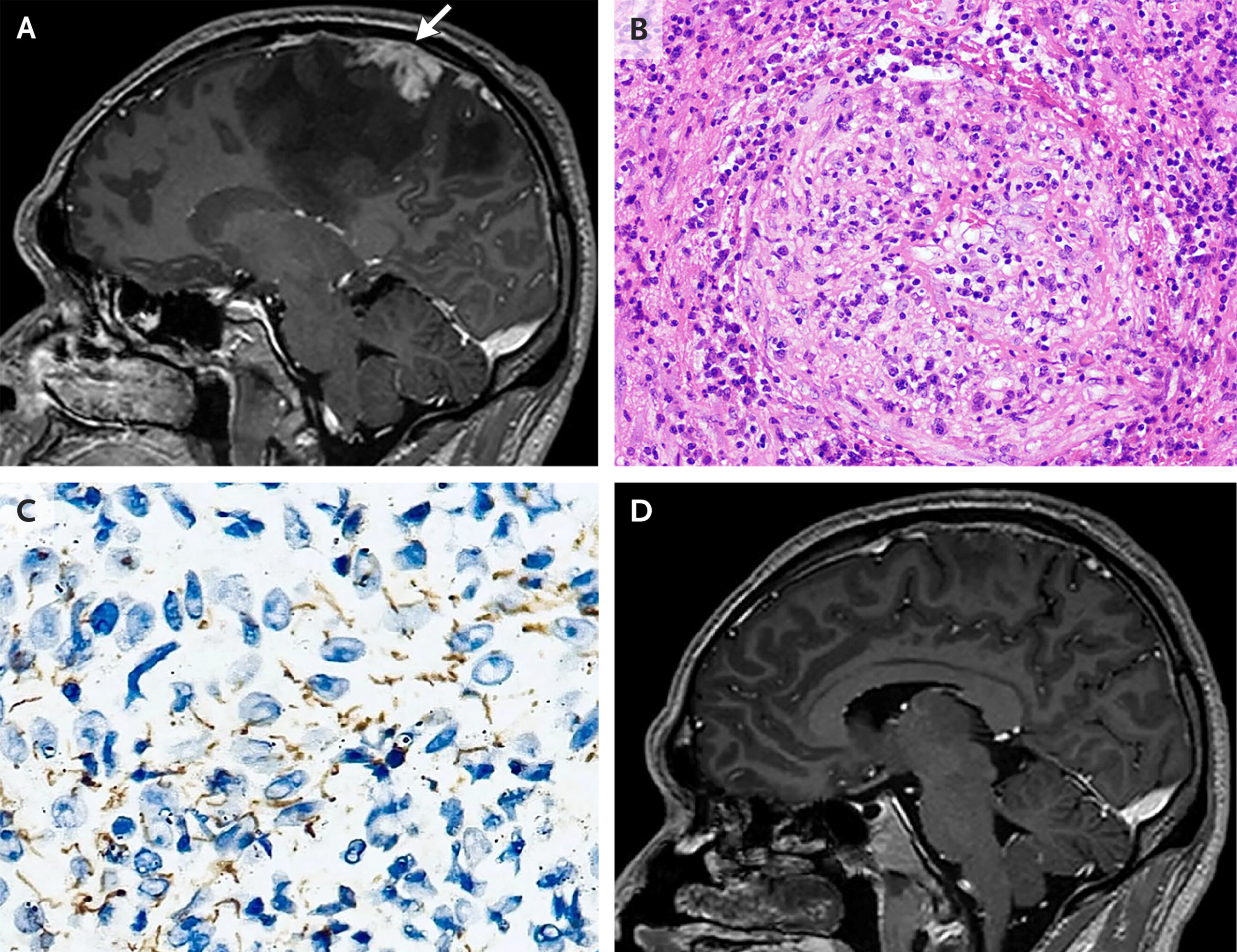
A gumma is a soft, tumor-like inflammatory mass that develops when the immune system reacts to persistent infection. In the brain, these lesions can mimic tumors, abscesses, or other neurological diseases. Because of this, diagnosis can be challenging and delayed.
Patients with cerebral syphilitic gumma may present with a wide variety of symptoms depending on the location of the lesion in the brain. Common complaints include headaches, seizures, weakness, difficulty speaking, personality changes, or problems with memory and concentration. Some patients may experience visual disturbances or balance issues. Since these symptoms overlap with many neurological disorders, physicians often initially suspect brain cancer, tuberculosis, or other infections before considering syphilis.
Modern imaging techniques such as magnetic resonance imaging (MRI) play an important role in identifying abnormalities in the brain. On scans, a syphilitic gumma may appear as a mass lesion with surrounding inflammation. However, imaging alone cannot confirm the diagnosis because the lesion closely resembles other diseases. For this reason, laboratory testing becomes essential.
Blood tests for syphilis are usually the first step. Tests such as the rapid plasma reagin (RPR) or Venereal Disease Research Laboratory (VDRL) test help detect antibodies related to the infection. More specific confirmatory tests may also be performed. In suspected neurosyphilis, physicians often examine cerebrospinal fluid obtained through lumbar puncture to look for signs of infection within the nervous system. Combining imaging findings with laboratory evidence allows clinicians to reach the correct diagnosis.
One of the most important lessons from cases like cerebral syphilitic gumma is the value of considering uncommon diagnoses
Because syphilis is sometimes called “the great imitator,” it can resemble many other diseases. Historically, before the discovery of antibiotics, syphilis caused widespread neurological and psychiatric illness. Although effective treatment now exists, the disease has not disappeared. In fact, several countries have reported rising rates of syphilis in recent years, making awareness increasingly important.
Fortunately, cerebral syphilitic gumma is treatable. Penicillin remains the standard therapy for syphilis, including neurosyphilis. Intravenous penicillin is typically administered for several days to eliminate the bacteria from the nervous system. In many cases, patients improve significantly once treatment begins. Symptoms such as headaches and neurological deficits may lessen, and follow-up imaging often shows shrinkage or disappearance of the lesion. Early treatment is critical because delayed diagnosis can result in permanent neurological damage.
The condition also highlights the importance of routine sexual health screening and prompt treatment of sexually transmitted infections. Many people with syphilis may not realize they are infected because symptoms can be mild or temporary. Regular testing, especially among high-risk populations, can prevent progression to severe complications such as neurosyphilis. Public health education also plays a key role in reducing stigma and encouraging individuals to seek medical care early.
Another interesting aspect of cerebral syphilitic gumma is how it demonstrates the complexity of the immune system. The gumma itself is not simply a collection of bacteria but rather a chronic inflammatory response triggered by persistent infection. This interaction between infectious organisms and immune defenses can create lesions that resemble tumors. Such cases remind clinicians that infections should always remain part of the differential diagnosis when evaluating brain masses.
Medical case reports like this one are valuable because they expand clinical knowledge and help healthcare professionals recognize unusual presentations of disease. Rare conditions are often difficult to diagnose precisely because many physicians may encounter them only once or twice in their careers. Sharing detailed clinical experiences improves awareness and can ultimately lead to faster diagnosis and better patient outcomes.
In conclusion, cerebral syphilitic gumma is a rare but serious manifestation of neurosyphilis that can closely mimic brain tumors and other neurological disorders. The condition underscores the importance of recognizing syphilis as a continuing public health issue despite the availability of effective antibiotics. Through careful clinical evaluation, imaging studies, and laboratory testing, physicians can identify the disease and provide successful treatment. Most importantly, the case serves as a reminder that early detection and treatment of syphilis remain essential for preventing life-threatening complications involving the brain and nervous system.
Source: NEJM