
A new study has revealed that naturally occurring compounds found in turmeric and rhubarb could help fight antibiotic-resistant bacteria in wastewater systems. Researchers investigated how antibiotic residues from human activity enter sewage systems and create conditions that encourage bacteria to develop resistance to important medications. Wastewater treatment plants can unintentionally become hotspots for the growth and spread of these resistant microbes, raising concerns about environmental and public health risks.
“Without improved treatment, wastewater could serve as a breeding ground for ‘superbugs’ that may enter water resources such as rivers, lakes, and reservoirs, posing potential risks to public health,”
said Dr. Liyuan “Joanna’ Hou of Utah State University, senior author of the article in Frontiers in Microbiology.
“Our goal was to isolate and characterize multidrug-resistant bacteria, explore the molecular mechanisms of resistance through whole-genome sequencing, and assess the potential of natural compounds as alternative mitigation strategies.”
Scientists from Utah State University collected samples from a wastewater treatment facility in Logan, Utah, and identified several strains of multidrug-resistant bacteria. Some of these microbes were resistant to colistin, an antibiotic often reserved as a last-line treatment for severe infections when other drugs fail. While many of the bacteria found are not especially dangerous to healthy individuals, researchers warned that they could pass their resistance genes to more harmful pathogens, including E. coli and other disease-causing bacteria.
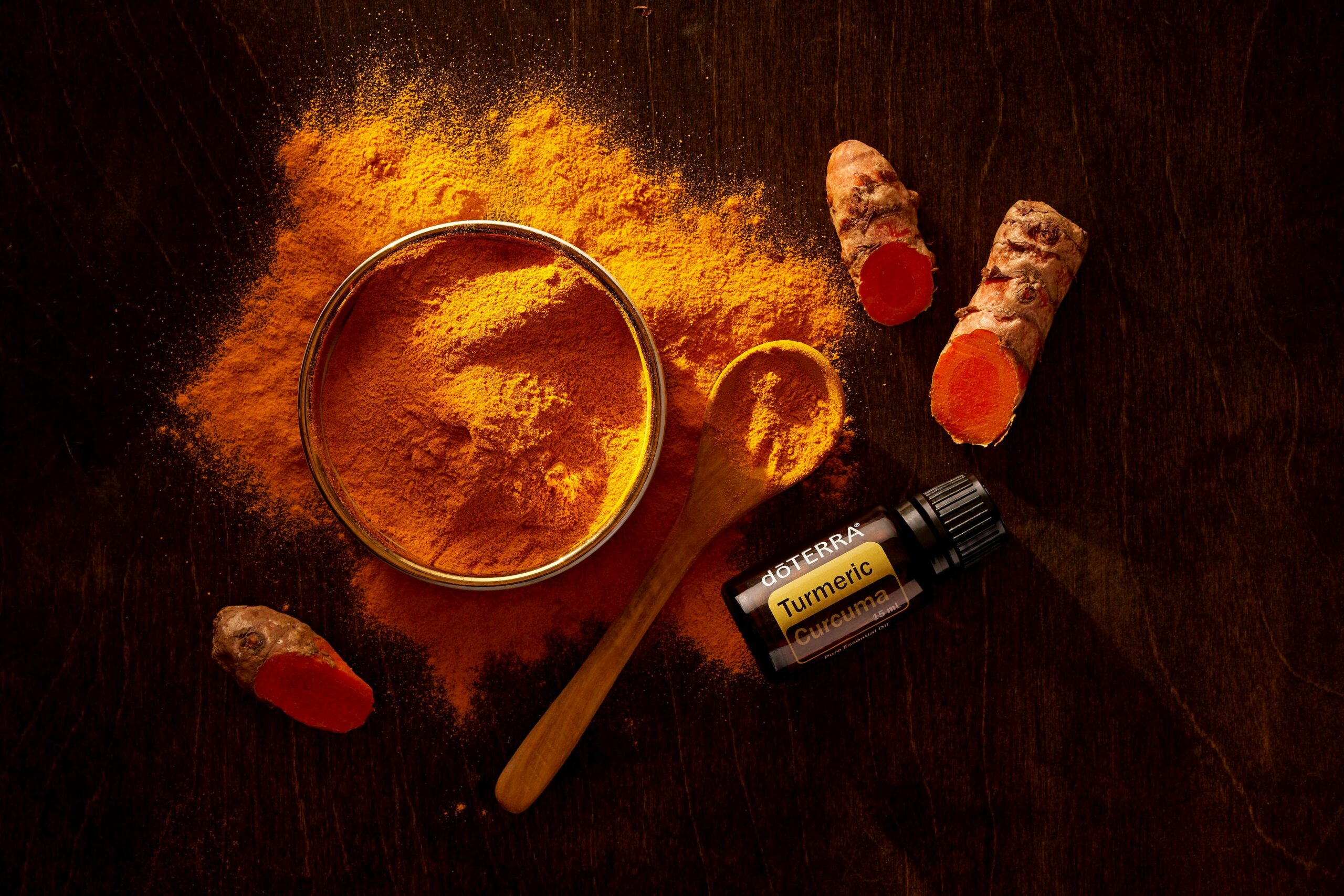
To find alternative ways of controlling resistant microbes, the team tested 11 natural plant-derived compounds known for their antimicrobial properties. Two compounds stood out during the experiments: curcumin, which comes from turmeric, and emodin, a substance found in rhubarb. Both compounds significantly reduced bacterial growth and interfered with the formation of biofilms, protective layers that bacteria create to shield themselves from antibiotics and harsh environments.
The study showed that these natural substances were particularly effective against Gram-positive bacteria, although Gram-negative bacteria remained more difficult to treat. Researchers believe the findings could lead to environmentally friendly strategies for reducing antibiotic resistance in wastewater systems without relying solely on conventional antibiotics.
According to the researchers, untreated wastewater may act as a breeding ground for so-called “superbugs” that can spread into rivers, lakes, and other water sources. Although the results are encouraging, scientists stress that additional research is needed before these compounds can be applied on a large scale in water treatment facilities or healthcare settings.
“While natural compounds like curcumin and emodin show promise in inhibiting Gram-positive multidrug-resistant bacteria, further research is needed,”
said Hou.
“Future work should include testing these compounds in complex wastewater matrices, exploring synergistic effects with existing treatment processes, and assessing long-term impacts on microbial communities and resistance dynamics. Additionally, scaling up from laboratory studies to pilot-scale trials will be critical for evaluating feasibility and environmental safety.”