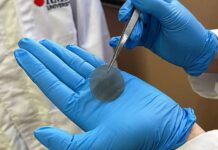

Researchers in Brazil have explored a promising new treatment for sepsis that uses a low-level red laser to improve circulation and potentially reduce the harmful effects of the condition. The technique, known as vascular photobiomodulation, involves directing a 660-nanometer red laser onto the radial artery in the wrist. Researchers believe that this form of light therapy may influence blood circulation, inflammation, and cellular metabolism.
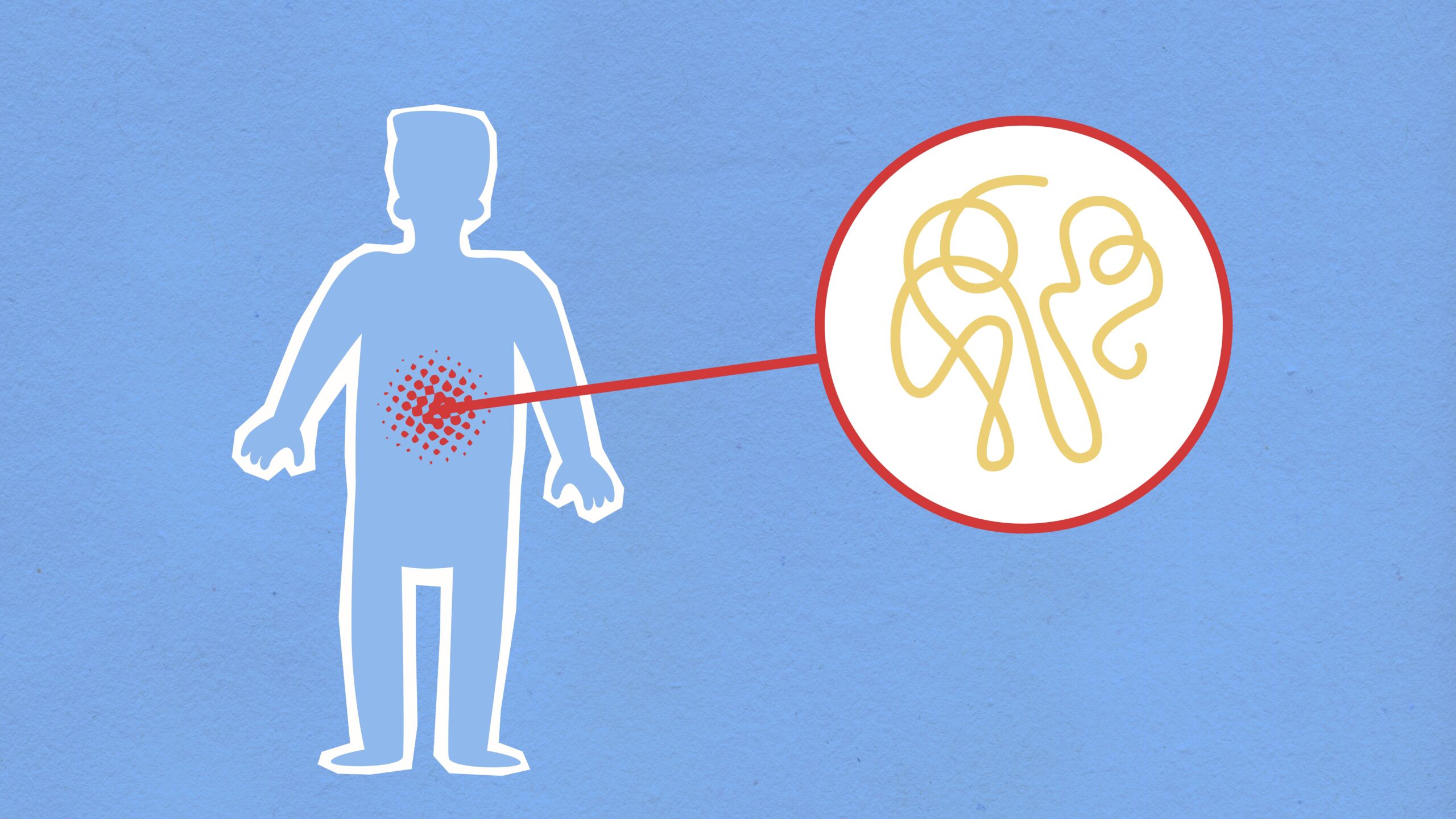
Sepsis is a life-threatening condition that occurs when the body responds abnormally to an infection, potentially leading to widespread inflammation, poor blood flow, and organ damage. Despite advances in treatment, sepsis remains a major medical challenge, making new supportive therapies an important area of research.
Placebo-Controlled Trial
The Brazilian study was conducted as a randomized, placebo-controlled clinical trial involving 30 hospitalized patients diagnosed with sepsis. Patients who received vascular photobiomodulation showed improvements in several clinical and laboratory measurements compared with those who received the control treatment. Researchers observed changes in white blood cell counts, lactate levels, and indicators related to kidney function.
Lactate is an important marker in patients with sepsis because elevated levels can indicate inadequate oxygen delivery to tissues and impaired circulation. Improvements in lactate levels may therefore suggest better tissue perfusion, although they do not necessarily demonstrate that the treatment improves survival.
The findings suggest that vascular photobiomodulation could potentially be used as an additional therapy alongside conventional sepsis management. Current treatment for sepsis generally involves prompt antibiotics, fluid therapy, cardiovascular support, and treatment of the underlying infection.
However, the study involved only a small number of patients, so the findings should be interpreted cautiously. Larger clinical trials are necessary to determine whether the therapy can improve important outcomes such as survival, organ function, and hospital recovery.
Overall, the research provides encouraging early evidence that light-based therapy could become a useful supportive treatment for patients with sepsis in the future.
“This work is important because it is among the first randomized controlled trials to evaluate a broad range of clinical and laboratory biomarkers in this population,”
the authors said.
“By demonstrating significant improvements in key parameters such as white blood cells, lactate, and renal function markers, our findings provide mechanistic insights and clinical evidence that support vascular photobiomodulation as a promising adjunct therapy for critically ill patients with sepsis.”