
Scientists at the University of Saskatchewan have discovered a potential new strategy for protecting the body against sepsis, a dangerous condition triggered by an extreme immune response to infection. Sepsis affects millions of people worldwide each year and is a major cause of death in intensive care units. The condition can lead to widespread inflammation and serious damage to vital organs, including the lungs, kidneys, heart, and liver.
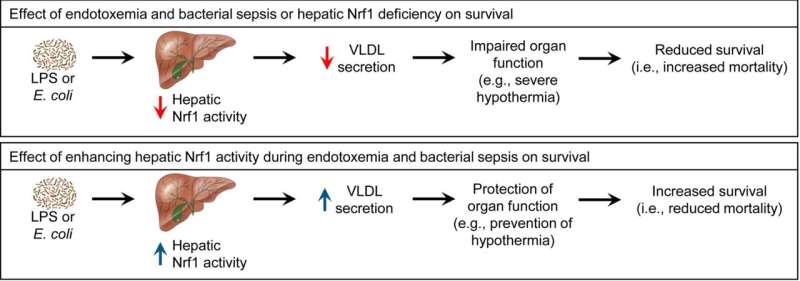
The research focused on a liver protein called NRF1, which researchers describe as an important regulator of the body’s disease tolerance system. Instead of directly attacking bacteria or viruses, disease tolerance helps the body limit damage caused by infection and inflammation. In the study, scientists found that increasing NRF1 activity improved the body’s ability to cope with severe infection and reduced the harmful effects linked to sepsis.
“Sepsis is the largest cause of death in the intensive care unit globally,”
Widenmaier added
“Sepsis can cause damage to organs like the heart, kidney, and lungs. It can also cause liver dysfunction, and when this occurs, the liver is not able to properly perform its functions that are useful in helping the body deal with an infection.”
Researchers explained that many of the dangers associated with sepsis come from the body’s own immune reaction. When infection occurs, the immune system releases inflammatory molecules called cytokines to fight harmful pathogens. However, an uncontrolled immune response can disrupt normal body functions and damage healthy tissues.
“The immune system releases cytokines and various factors that are trying to kill the bacteria or the virus, but the process of doing it actually dramatically changes our physiology and leads to us being really sick,”
Widenmaier said
The team also discovered that activating NRF1 boosted production of very low-density lipoprotein (VLDL), which appeared to help shield organs from injury during sepsis. Researchers hope the findings could eventually contribute to new treatments aimed at improving survival rates and reducing organ damage in critically ill patients.