

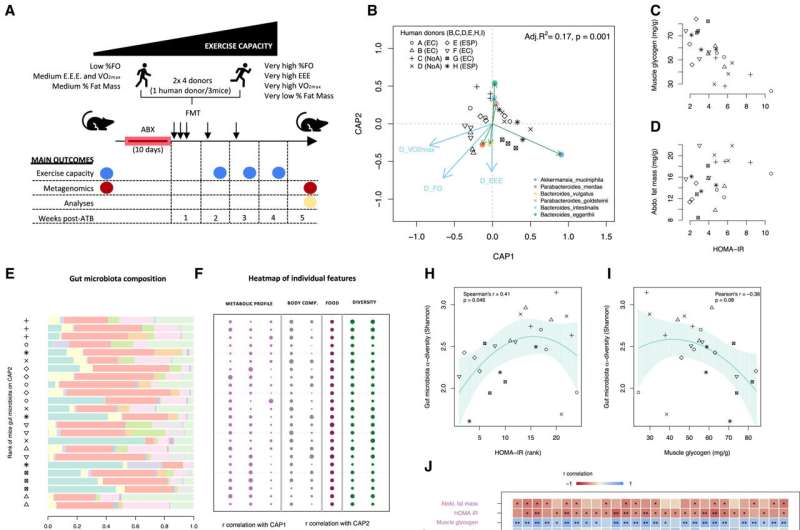
“Atypical gut microbial ecosystem from athletes with very high exercise capacity improves insulin sensitivity and muscle glycogen store in mice.”
A recent study says that gut bacteria found in elite athletes may positively influence metabolism and overall health. Researchers examined whether transferring the gut microbiome of highly trained athletes into mice could improve the animals’ metabolic function.
The study included 50 healthy male participants with different levels of physical fitness, ranging from inactive individuals to elite cyclists and soccer players. To make the comparison more accurate, they controlled for factors such as diet and body composition, allowing them to focus specifically on differences in gut bacteria. Stool samples from each participant were analysed using genetic sequencing technology to identify the types of microorganisms living in their digestive systems.
Scientists discovered that athletes with the highest aerobic fitness had distinct gut microbial profiles compared to less active participants. Their microbiomes contained larger amounts of bacteria capable of producing short-chain fatty acids, compounds known to support metabolism and energy regulation. Two bacterial species, Prevotella copri and Phascolarctobacterium succinatutens, appeared particularly significant in highly trained athletes.
To explore the effects of these microbes, researchers transplanted fecal microbiota from the athletes into laboratory mice. The mice showed improved insulin sensitivity and increased glycogen storage in their muscles, both of which are linked to healthier metabolism and more efficient energy use. However, the animals did not gain better endurance or running performance, suggesting that athletic ability itself cannot simply be transferred through gut bacteria alone.
Researchers believe these findings could eventually help scientists develop microbiome-based therapies for metabolic disorders such as obesity and diabetes. While exercise and genetics remain critical factors in athletic performance, the study demonstrates that gut bacteria may play a meaningful role in supporting metabolic health. Future research will continue exploring how the microbiome influences human health and physical function.