
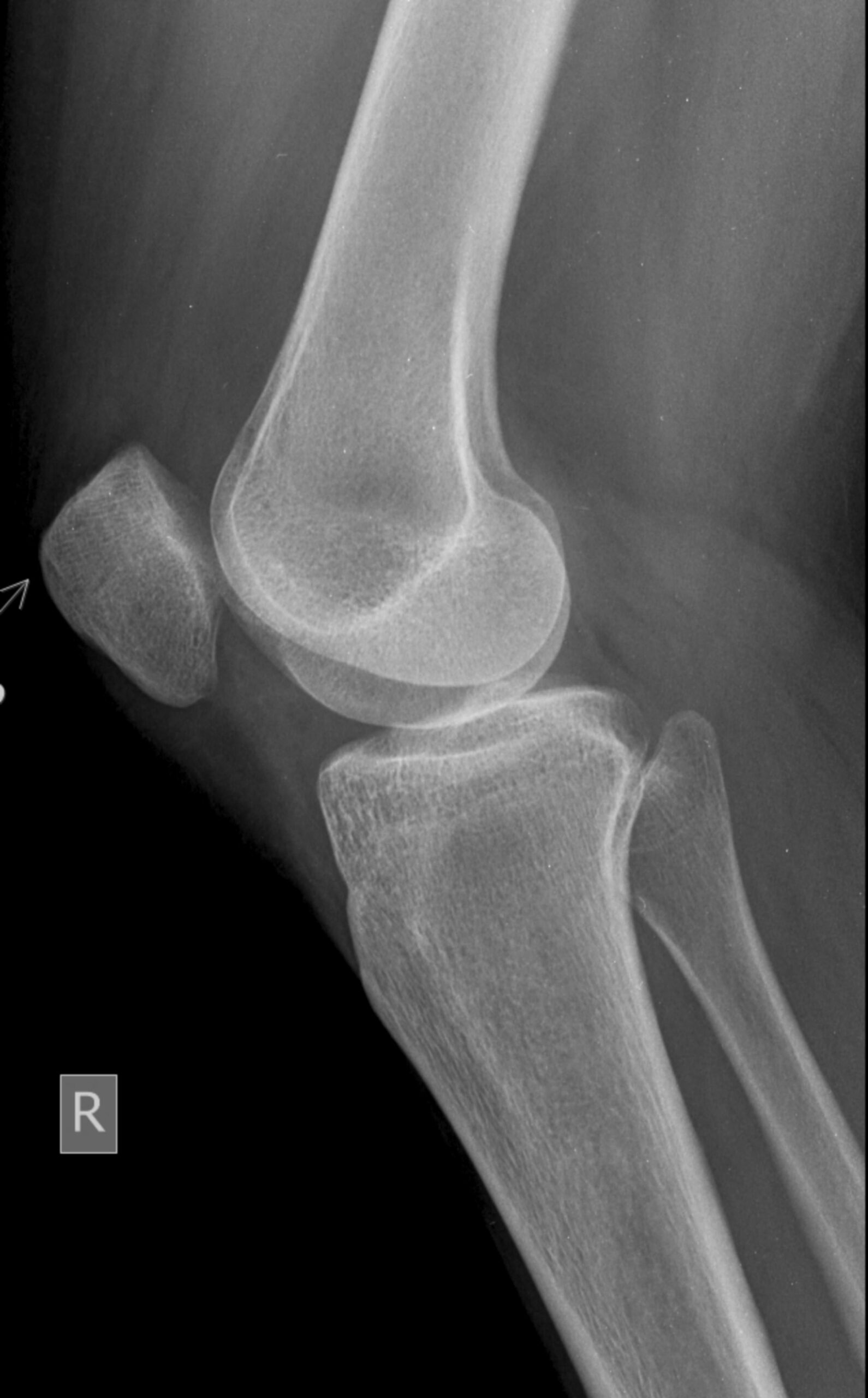
A new study suggests that popping or cracking sounds in the knees may not always signal the early development of arthritis, particularly in younger adults recovering from knee injuries. Researchers focused on knee crepitus, a condition that causes clicking, grinding, snapping, or popping noises during movement. Although many people associate these sounds with joint damage or osteoarthritis, scientists found that noisy knees alone may not predict worsening joint problems over time.
The study followed 112 young adults who had previously undergone anterior cruciate ligament (ACL) reconstruction surgery after knee injuries. Researchers monitored participants for five years using MRI scans, physical evaluations, and patient questionnaires to examine joint health, pain, and physical function. Early in the study, individuals who experienced knee noises showed more cartilage abnormalities around the kneecap and reported slightly greater discomfort and limitations in movement compared to participants without knee sounds.
Despite these early findings, the researchers discovered that symptoms did not significantly worsen during the following years. Participants with knee crepitus were not more likely to experience rapid joint deterioration, increasing pain, or declining physical function over the four-year follow-up period. The results suggest that knee noises by themselves are not a reliable indicator that osteoarthritis is progressing after a knee injury.
“We found that those with knee crepitus demonstrated more than two and a half times greater rates of full-thickness cartilage defects in the kneecap area, with more pain and poorer function early on,”
Jamon said.
“But over the next four years, those with crepitus did not experience worse pain and function compared to those without knee crepitus.”
Researchers explained that many people become worried when they hear sounds coming from their joints, but such noises are often harmless and can occur for several reasons unrelated to serious disease. Experts emphasized that staying physically active, continuing rehabilitation exercises, and strengthening muscles surrounding the knee may play a much larger role in long-term joint health than occasional cracking or popping sounds.
“It also highlights the importance of staying active and engaged in rehabilitation to avoid or delay osteoarthritis,”
Dr. Culvenor said.
The researchers also stressed that osteoarthritis diagnosis should not rely on knee noises alone. Proper evaluation requires consideration of symptoms, imaging results, and physical examination findings. While noisy knees can sometimes occur alongside joint issues, the study indicates they do not automatically mean arthritis is developing or worsening. Further long-term research is still needed to better understand the relationship between knee injuries and future arthritis risk.