
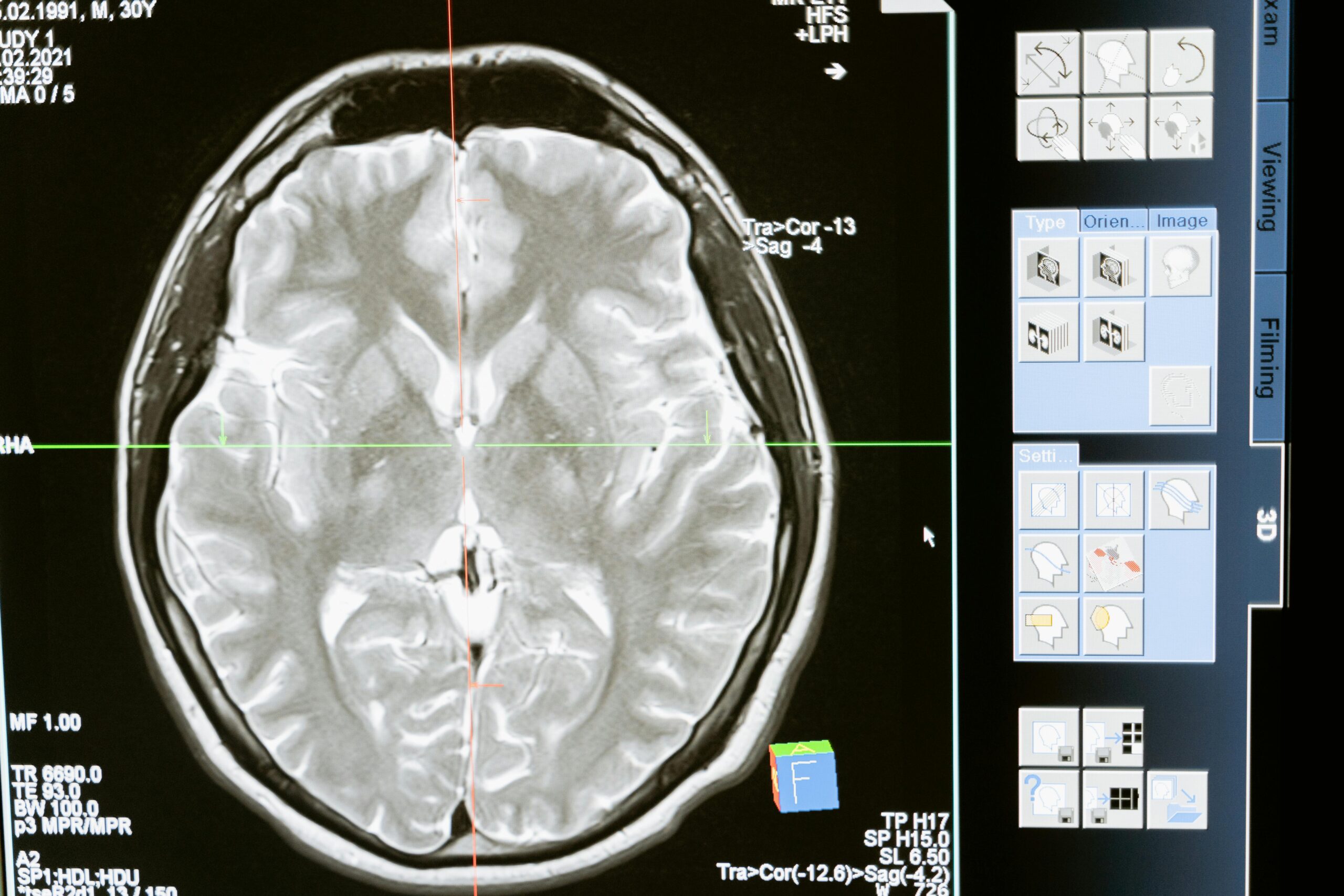
Researchers at QIMR Berghofer have reached a milestone in combating depression. They demonstrated the effectiveness of TMS (transcranial magnetic stimulation). Moreover, this technique uses advanced brain imaging which tailors the treatment based on the individual’s brain anatomy and connectivity. This is a breakthrough for those who have not had any success with other therapies.
Unlike traditional TMS, which stimulates broader brain areas, this technique relies on MRI scans to identify the most effective stimulation point for each patient. Scientists explained that even tiny differences in the placement of stimulation can significantly influence treatment outcomes because every brain is structured differently. By tailoring therapy to the individual, researchers aimed to improve the precision and effectiveness of treatment.
Over the last three years, patients underwent detailed MRI scans followed by 20 to 30 TMS sessions over several weeks. According to the findings, more than half of the participants experienced a reduction in depressive symptoms of at least 50%, while approximately one-third achieved full remission. Researchers believe these outcomes are especially meaningful for people who previously found little relief through medication or psychotherapy.
The study also showed that people with major depression responded more strongly to the personalized treatment than individuals dealing with more complex conditions, such as bipolar depression or neurological disorders.
The results have been exemplary said Dr. Luke Hearne, QIMR Berghofer neuroscientist
“Just over half of the patients reduced their symptoms by more than 50%, and around one-third achieved full remission,”
“This is particularly exciting for people who have not responded to standard treatments like medication or talk therapy.”
“The brain is incredibly complex, and even millimeter-level adjustments in stimulation sites on the surface of the brain can make a significant difference to clinical outcomes. By tailoring TMS to each person’s unique brain structure, we’re seeing much better responses compared to traditional approaches.”
Associate Professor Luca Cocchi oversaw the research and said
“This work is a testament to how cutting-edge neuroscience can directly improve lives. Translating research into clinical practice is always challenging, but seeing patients experience relief after years of struggling with depression is deeply gratifying for our team.”